March 19, 2026
March 19, 2026
March 19, 2026
A brief history of cannabis in the United States
A brief history of cannabis in the United States
A brief history of cannabis in the United States
Est. reading time: 3-4 min
Est. reading time: 3-4 min
Est. reading time: 3-4 min
Cannabis has worn many hats in American history. It has been a staple crop, a medicine, a political scapegoat, a protest symbol, and now, once again, a regulated consumer product. The plant’s journey through the United States mirrors the country’s own evolution, shifting with war, migration, media, and cultural movements.
Cannabis has worn many hats in American history. It has been a staple crop, a medicine, a political scapegoat, a protest symbol, and now, once again, a regulated consumer product. The plant’s journey through the United States mirrors the country’s own evolution, shifting with war, migration, media, and cultural movements.
In this article:
In this article:
Colonial America: Hemp as a household staple
Colonial America: Hemp as a household staple
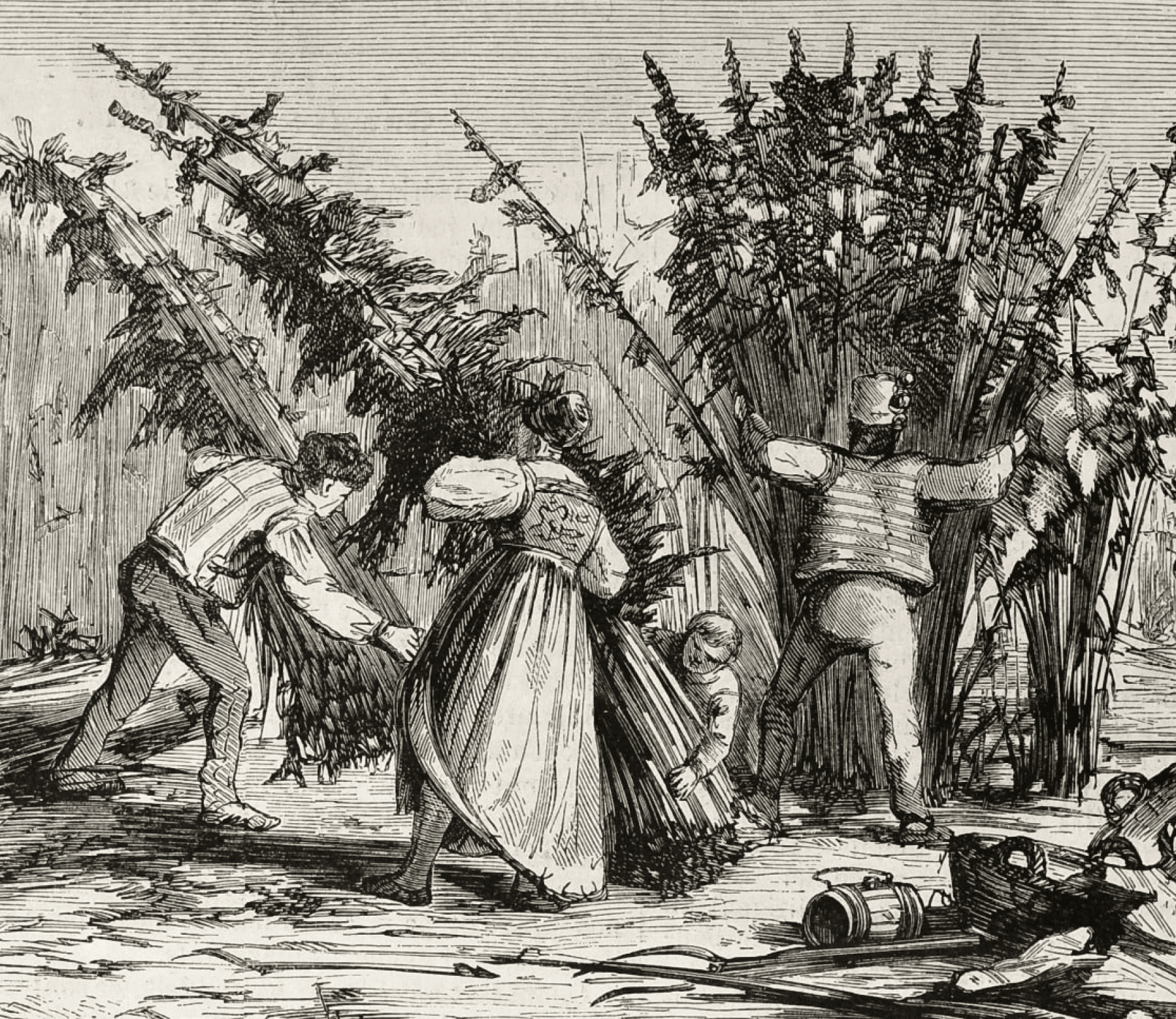
Long before cannabis was controversial, it was practical. In the 1600s and 1700s, hemp was widely cultivated in the American colonies for rope, sails, paper, and textiles. In fact, colonies like Virginia required farmers to grow hemp because it was so vital to maritime trade and military supply chains.
Long before cannabis was controversial, it was practical. In the 1600s and 1700s, hemp was widely cultivated in the American colonies for rope, sails, paper, and textiles. In fact, colonies like Virginia required farmers to grow hemp because it was so vital to maritime trade and military supply chains.
Both George Washington and Thomas Jefferson grew hemp on their plantations. While historical debate continues over whether they cultivated it for fiber only or also for other uses, hemp was unquestionably considered an agricultural asset.
Both George Washington and Thomas Jefferson grew hemp on their plantations. While historical debate continues over whether they cultivated it for fiber only or also for other uses, hemp was unquestionably considered an agricultural asset.
19th century: Medicine cabinet mainstay
19th century: Medicine cabinet mainstay
By the 1800s, cannabis extracts appeared in American pharmacies. Tinctures were prescribed for pain, insomnia, migraines, and muscle spasms. Cannabis was listed in the U.S. Pharmacopeia from 1850 until 1942, reflecting its accepted medical status at the time.
By the 1800s, cannabis extracts appeared in American pharmacies. Tinctures were prescribed for pain, insomnia, migraines, and muscle spasms. Cannabis was listed in the U.S. Pharmacopeia from 1850 until 1942, reflecting its accepted medical status at the time.
Doctors of the era described it as a therapeutic tool, though dosage inconsistencies and the rise of injectable opiates began to shift medical preference. Still, cannabis remained legal and largely uncontroversial throughout the Civil War and Reconstruction periods.
Doctors of the era described it as a therapeutic tool, though dosage inconsistencies and the rise of injectable opiates began to shift medical preference. Still, cannabis remained legal and largely uncontroversial throughout the Civil War and Reconstruction periods.
Early 20th century: Prohibition & propaganda
Early 20th century: Prohibition & propaganda
The tone changed dramatically in the early 1900s. Following the Mexican Revolution of 1910, immigration into the United States increased, and recreational cannabis use became associated (unfairly and xenophobically) with Mexican-American communities.
The tone changed dramatically in the early 1900s. Following the Mexican Revolution of 1910, immigration into the United States increased, and recreational cannabis use became associated (unfairly and xenophobically) with Mexican-American communities.
By 1937, Congress passed the Marihuana Tax Act, effectively criminalizing cannabis through heavy taxation and regulation. The campaign leading up to it relied heavily on sensationalist media, including the infamous 1936 film Reefer Madness, which portrayed cannabis as a catalyst for violence and insanity.
By 1937, Congress passed the Marihuana Tax Act, effectively criminalizing cannabis through heavy taxation and regulation. The campaign leading up to it relied heavily on sensationalist media, including the infamous 1936 film Reefer Madness, which portrayed cannabis as a catalyst for violence and insanity.
Why we say “cannabis,” not “marijuana”
The term “marijuana” rose to prominence in the early 20th century during anti-immigrant campaigns that sought to associate the plant with Mexican communities and stoke fear. Lawmakers and media outlets intentionally popularized the Spanish-sounding word to racialize the issue and build support for prohibition. Today, many advocates and industry professionals use the word “cannabis” instead, acknowledging the plant’s scientific name and distancing it from that racist and xenophobic history.
The term “marijuana” rose to prominence in the early 20th century during anti-immigrant campaigns that sought to associate the plant with Mexican communities and stoke fear. Lawmakers and media outlets intentionally popularized the Spanish-sounding word to racialize the issue and build support for prohibition. Today, many advocates and industry professionals use the word “cannabis” instead, acknowledging the plant’s scientific name and distancing it from that racist and xenophobic history.
World War II: Hemp for victory
World War II: Hemp for victory
Ironically, during World War II, the U.S. government reversed course, albeit briefly. With overseas hemp supplies cut off, the USDA launched a campaign titled “Hemp for Victory,” encouraging American farmers to grow hemp for rope and military equipment. The government even released an instructional film promoting cultivation.
Ironically, during World War II, the U.S. government reversed course, albeit briefly. With overseas hemp supplies cut off, the USDA launched a campaign titled “Hemp for Victory,” encouraging American farmers to grow hemp for rope and military equipment. The government even released an instructional film promoting cultivation.
Once the war ended, hemp production declined again, and prohibitionist policies returned in full force.
Once the war ended, hemp production declined again, and prohibitionist policies returned in full force.
The 60s & Vietnam War era: Counterculture and crackdown
The 60s & Vietnam War era: Counterculture and crackdown
By the 1960s, cannabis had reemerged as a symbol of rebellion. The “Summer of Love” in 1967 cemented the plant as part of the broader counterculture movement tied to anti-war protests, civil rights activism, and psychedelic music.
By the 1960s, cannabis had reemerged as a symbol of rebellion. The “Summer of Love” in 1967 cemented the plant as part of the broader counterculture movement tied to anti-war protests, civil rights activism, and psychedelic music.
During the Vietnam War, cannabis use became common among U.S. soldiers; a 1971 Department of Defense report estimated that over 50 percent of enlisted men had tried cannabis while deployed.
During the Vietnam War, cannabis use became common among U.S. soldiers; a 1971 Department of Defense report estimated that over 50 percent of enlisted men had tried cannabis while deployed.
In response to rising use, President Richard Nixon signed the Controlled Substances Act of 1970, classifying cannabis as a Schedule I drug, defined as having “no currently accepted medical use” and high abuse potential. This designation remains federally in place today, despite state-level legalization and widespread support for federal legalization.
In response to rising use, President Richard Nixon signed the Controlled Substances Act of 1970, classifying cannabis as a Schedule I drug, defined as having “no currently accepted medical use” and high abuse potential. This designation remains federally in place today, despite state-level legalization and widespread support for federal legalization.
Modern-day shift from the War on Drugs to legal markets
Modern-day shift from the War on Drugs to legal markets
Though not part of the early eras, it’s impossible to end this story without noting the reversal underway. Beginning with California’s medical legalization in 1996, states gradually began re-legalizing cannabis for medical and adult use. In 2026 as the industry awaits the announced DEA rescheduling of cannabis from Schedule I to Schedule III, the majority of Americans live in one of the 40 states where cannabis is already legal in some form.
Though not part of the early eras, it’s impossible to end this story without noting the reversal underway. Beginning with California’s medical legalization in 1996, states gradually began re-legalizing cannabis for medical and adult use. In 2026 as the industry awaits the announced DEA rescheduling of cannabis from Schedule I to Schedule III, the majority of Americans live in one of the 40 states where cannabis is already legal in some form.
The arc of cannabis in the U.S. tells a bigger story: how perception, politics, race, medicine, and culture shape the fate of a society.
The arc of cannabis in the U.S. tells a bigger story: how perception, politics, race, medicine, and culture shape the fate of a society.
Takeaways
Takeaways
Colonial America valued hemp as essential infrastructure, not contraband.
19th-century doctors prescribed cannabis for pain and sleep before federal prohibition.
The 1937 Marihuana Tax Act shifted public perception, fueled by propaganda and xenophobia.
World War II briefly revived hemp production for military needs.
The 1960s transformed cannabis into a cultural symbol, leading to its Schedule I classification in 1970.
Today’s legalization movement represents another dramatic turn in a centuries-long story.
From rope on colonial ships to smoke swirling at Woodstock, cannabis has never stayed in one role for long. Its American history is less a straight line and more like a pendulum that swings between utility, fear, rebellion, and rediscovery.
From rope on colonial ships to smoke swirling at Woodstock, cannabis has never stayed in one role for long. Its American history is less a straight line and more like a pendulum that swings between utility, fear, rebellion, and rediscovery.
Was this article helpful to you?
Was this article helpful to you?
Explore more



Explore more
Explore more