/
/
🌿 4/20 in the age of almost-legal: What this holiday means now
April 17, 2026
April 17, 2026
April 17, 2026
4/20 in the age of almost-legal: What this holiday means now 🌿
4/20 in the age of almost-legal: What this holiday means now 🌿
4/20 in the age of almost-legal: What this holiday means now 🌿
Est. reading time: 3-4 min
Est. reading time: 3-4 min
Est. reading time: 3-4 min
4/20 was once a secret. You had to know someone who knew someone. It was a knowing nod, a shared code, a tradition passed down through subculture rather than mainstream culture. For decades, 4/20 was the kind of holiday that didn't show up on any official calendar but was observed by tens of millions of people anyway.
4/20 was once a secret. You had to know someone who knew someone. It was a knowing nod, a shared code, a tradition passed down through subculture rather than mainstream culture. For decades, 4/20 was the kind of holiday that didn't show up on any official calendar but was observed by tens of millions of people anyway.
That's changed. This year, you'll find 4/20 deals in email newsletters from your local dispensary, branded events in legal markets, and articles about the holiday in publications that wouldn't have touched the subject a decade ago. Cannabis is in the middle of a federal rescheduling process (moving from Schedule I to Schedule III) following a December 2025 executive order directing the DOJ to complete the rulemaking. Adult-use (recreational) is now legal in 24 states, and 64% of Americans support full legalization. The counterculture has, in a real and measurable way, become the culture.
That's changed. This year, you'll find 4/20 deals in email newsletters from your local dispensary, branded events in legal markets, and articles about the holiday in publications that wouldn't have touched the subject a decade ago. Cannabis is in the middle of a federal rescheduling process (moving from Schedule I to Schedule III) following a December 2025 executive order directing the DOJ to complete the rulemaking. Adult-use (recreational) is now legal in 24 states, and 64% of Americans support full legalization. The counterculture has, in a real and measurable way, become the culture.
In this article:
In this article:
Where it came from
Where it came from
The origin traces to a group of California high schoolers in the early 1970s who used "4:20" as a code phrase for their after-school cannabis ritual, meeting by a statue at San Rafael High School at 4:20 in the afternoon. The phrase spread through social circles, caught on within the Grateful Dead touring community, and from there became a global phenomenon.
The origin traces to a group of California high schoolers in the early 1970s who used "4:20" as a code phrase for their after-school cannabis ritual, meeting by a statue at San Rafael High School at 4:20 in the afternoon. The phrase spread through social circles, caught on within the Grateful Dead touring community, and from there became a global phenomenon.
It's a reminder that cannabis culture has always been community culture, built on shared ritual, coded language, and a sense of belonging that formed specifically because the plant was illegal. This holiday emerged from people finding each other.
It's a reminder that cannabis culture has always been community culture, built on shared ritual, coded language, and a sense of belonging that formed specifically because the plant was illegal. This holiday emerged from people finding each other.
The shift from protest to celebration
The shift from protest to celebration
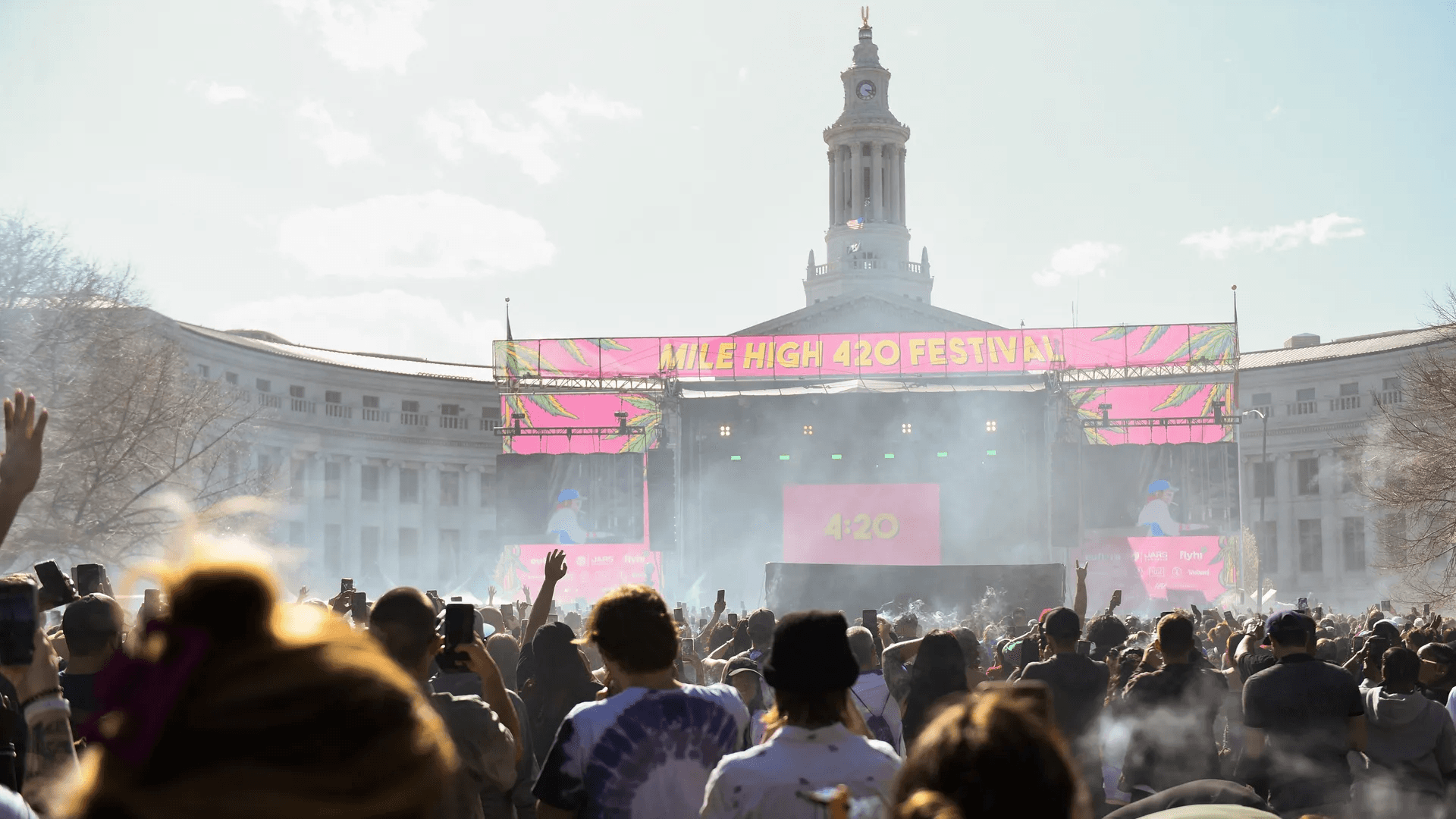
For most of its history, 4/20 carried a political charge. Gathering publicly to celebrate cannabis was a form of civil disobedience. The mass 4/20 rallies in Denver, San Francisco, and Vancouver were simultaneously giant parties and loud statements.
For most of its history, 4/20 carried a political charge. Gathering publicly to celebrate cannabis was a form of civil disobedience. The mass 4/20 rallies in Denver, San Francisco, and Vancouver were simultaneously giant parties and loud statements.
That dimension isn't entirely gone as cannabis remains a controlled substance. Rescheduling is a meaningful step, but it isn't legalization. Millions of people live in states where cannabis is still illegal, and the communities most harmed by decades of prohibition have not been made whole. Social equity remains one of the industry's most important and unfinished conversations.
That dimension isn't entirely gone as cannabis remains a controlled substance. Rescheduling is a meaningful step, but it isn't legalization. Millions of people live in states where cannabis is still illegal, and the communities most harmed by decades of prohibition have not been made whole. Social equity remains one of the industry's most important and unfinished conversations.
But the spirit of the day is evolving. 4/20 in 2026 is increasingly a moment for reflection alongside the celebration, and a day to acknowledge the activists and pioneers who moved the needle, while being honest about the distance still to cover.
But the spirit of the day is evolving. 4/20 in 2026 is increasingly a moment for reflection alongside the celebration, and a day to acknowledge the activists and pioneers who moved the needle, while being honest about the distance still to cover.
How people are celebrating differently
How people are celebrating differently
More intentional, lower-dose consumption. Today's consumer is more likely to ask "what do I want to feel?" than to simply maximize intake. The rise of microdosing, cannabis beverages, and mindful rituals has reshaped how many people approach the holiday.
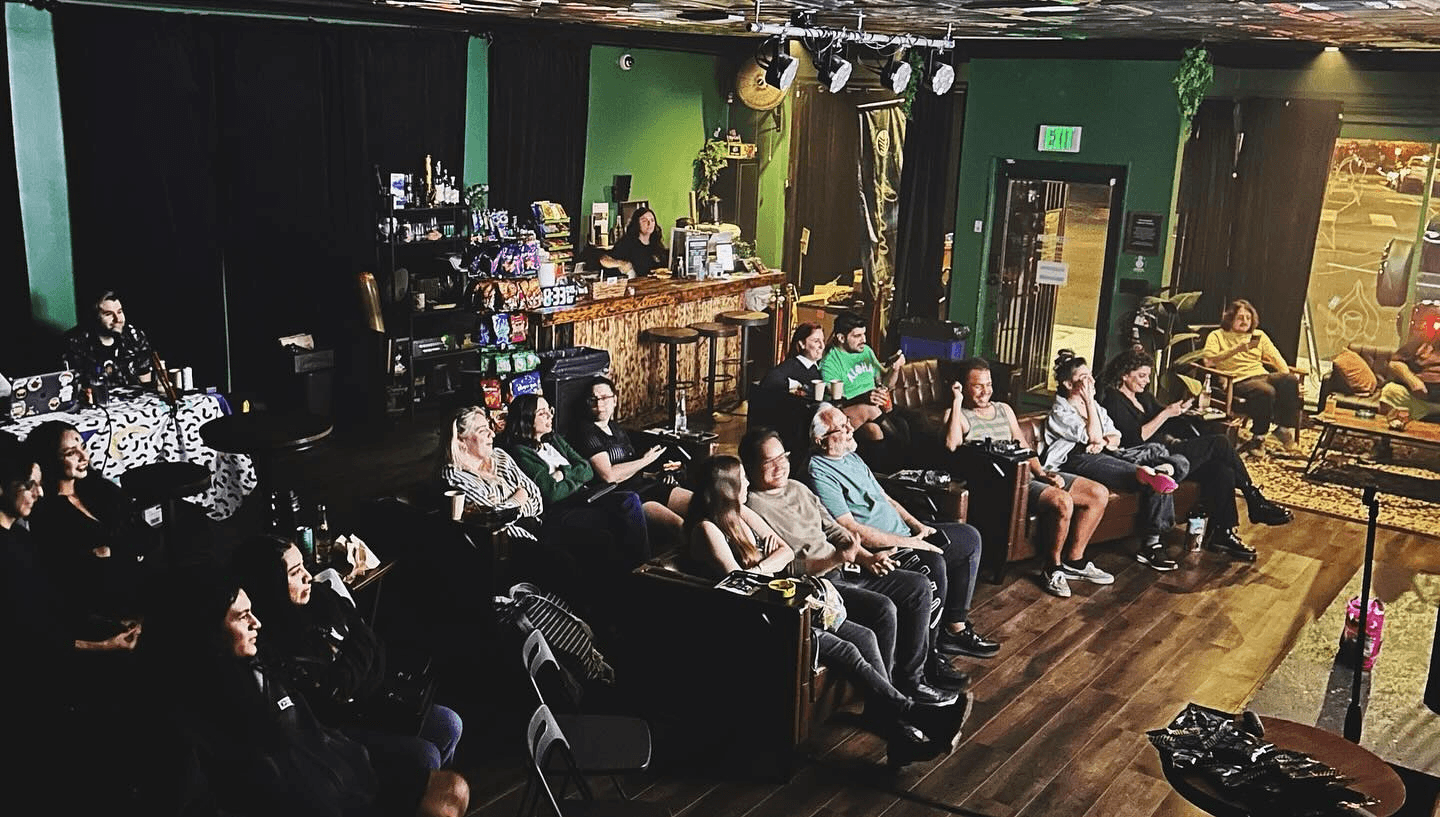
Social and experience-forward. 4/20 events have become increasingly tailored to every kind of consumer. Some celebrations have remained as big smoke-outs and parties in the park, while some others look more like wine tastings, farm-to-table dinners, yoga classes, and art installations. The holiday has grown up, and the variety of experiences being built around it reflect that.
Community and giving back. Many dispensaries and brands are using 4/20 as a platform for social equity work like expungement clinics, advocacy donations, and spotlighting minority-owned brands. The holiday's political roots have remained strong and even found new expressions.
More intentional, lower-dose consumption. Today's consumer is more likely to ask "what do I want to feel?" than to simply maximize intake. The rise of microdosing, cannabis beverages, and mindful rituals has reshaped how many people approach the holiday.
Social and experience-forward. 4/20 events have become increasingly tailored to every kind of consumer. Some celebrations have remained as big smoke-outs and parties in the park, while some others look more like wine tastings, farm-to-table dinners, yoga classes, and art installations. The holiday has grown up, and the variety of experiences being built around it reflect that.
Community and giving back. Many dispensaries and brands are using 4/20 as a platform for social equity work like expungement clinics, advocacy donations, and spotlighting minority-owned brands. The holiday's political roots have remained strong and even found new expressions.
How to make the most of it this year
How to make the most of it this year
4/20 has always been whatever people needed it to be: protest, community, relief, celebration. That flexibility is still the whole point.
4/20 has always been whatever people needed it to be: protest, community, relief, celebration. That flexibility is still the whole point.
Try a new format. If you've been a flower person for years, this is a natural moment to explore something different — a cannabis beverage, a low-dose edible, a concentrate you've been curious about. The options have broadened dramatically.
Learn something. 4/20 is a natural entry point for digging into the history of cannabis advocacy, the science of the plant, or the ongoing conversation around social equity. There's a rich story behind the holiday worth knowing.
Shop with intention. Look for dispensaries highlighting social equity brands, donating a portion of 4/20 proceeds, or spotlighting women- and minority-owned operators and cultivators. Where you spend on this particular day carries some weight.
Slow down. The holiday started as a quiet ritual between a small group of friends meeting by a statue after school. There's something worth returning to in that; a considered experience with a product you love, in good company, is worth more than any blowout.
Try a new format. If you've been a flower person for years, this is a natural moment to explore something different — a cannabis beverage, a low-dose edible, a concentrate you've been curious about. The options have broadened dramatically.
Learn something. 4/20 is a natural entry point for digging into the history of cannabis advocacy, the science of the plant, or the ongoing conversation around social equity. There's a rich story behind the holiday worth knowing.
Shop with intention. Look for dispensaries highlighting social equity brands, donating a portion of 4/20 proceeds, or spotlighting women- and minority-owned operators and cultivators. Where you spend on this particular day carries some weight.
Slow down. The holiday started as a quiet ritual between a small group of friends meeting by a statue after school. There's something worth returning to in that; a considered experience with a product you love, in good company, is worth more than any blowout.
Takeaways
Takeaways
4/20 has earned its place on the cultural calendar as a genuine holiday with history, meaning, and evolving traditions. The best version of 4/20 in 2026 looks a lot like the best version of cannabis itself: intentional, community-grounded, and honest about both the joy and the work still ahead. Wherever you land on the spectrum from longtime observer to curious newcomer, this year's celebration is yours to shape.
Was this article helpful to you?
Was this article helpful to you?
Explore more


Explore more
Explore more