/

/

The rise of women in cannabis: Celebrating women entrepreneurs in the industry

March 25, 2026

March 25, 2026

March 25, 2026

The rise of women in cannabis: Celebrating women entrepreneurs in the industry

The rise of women in cannabis: Celebrating women entrepreneurs in the industry

The rise of women in cannabis: Celebrating women entrepreneurs in the industry

Est. reading time: 4-5 min

Est. reading time: 4-5 min

Est. reading time: 4-5 min

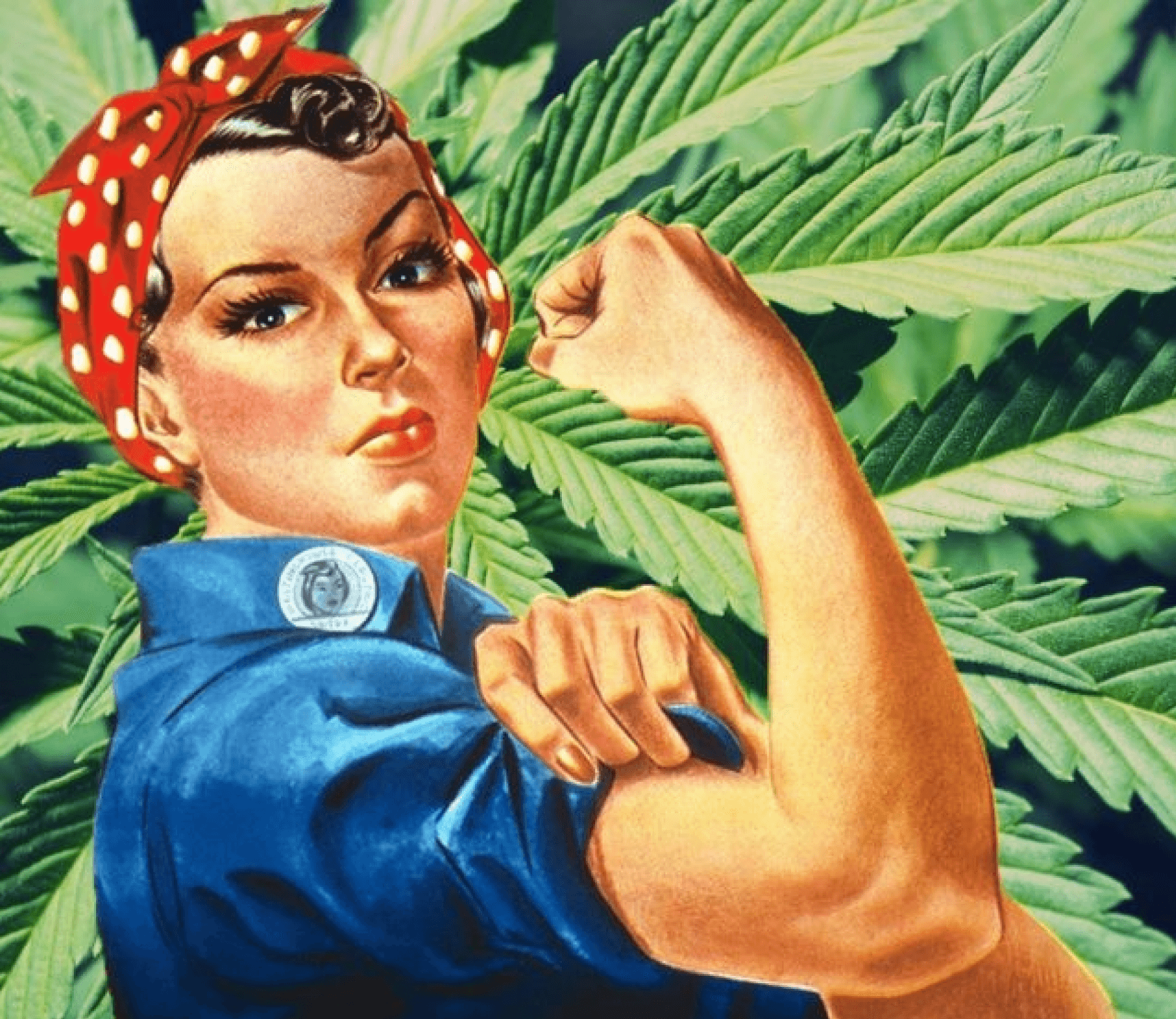
For decades, cannabis activism and culture have often been told through a male lens. But from underground caregivers to boardroom CEOs, women have always shaped this plant’s path. Today, as legal markets expand across the U.S. and beyond, women are stepping into visible leadership roles — launching brands, opening dispensaries, reforming policy, and redefining what cannabis business looks like.

For decades, cannabis activism and culture have often been told through a male lens. But from underground caregivers to boardroom CEOs, women have always shaped this plant’s path. Today, as legal markets expand across the U.S. and beyond, women are stepping into visible leadership roles — launching brands, opening dispensaries, reforming policy, and redefining what cannabis business looks like.

While the broader corporate world still struggles with gender parity, cannabis has historically offered women a little more room to lead. A 2017 report found that women held 27% of executive roles in the cannabis industry, higher than the national average across all other U.S. businesses at the time (23%). Although those numbers have fluctuated as the industry has grown, women remain a powerful force driving innovation and equity.

While the broader corporate world still struggles with gender parity, cannabis has historically offered women a little more room to lead. A 2017 report found that women held 27% of executive roles in the cannabis industry, higher than the national average across all other U.S. businesses at the time (23%). Although those numbers have fluctuated as the industry has grown, women remain a powerful force driving innovation and equity.

Pioneers who opened the door

Pioneers who opened the door

Before legalization was mainstream, women were already advocating for compassionate access. Brownie Mary famously baked and distributed cannabis brownies to AIDS patients in San Francisco during the 1980s and 1990s, helping lay the groundwork for California’s medical cannabis laws. Her activism, alongside others, directly influenced the passage of Proposition 215 in 1996.

Before legalization was mainstream, women were already advocating for compassionate access. Brownie Mary famously baked and distributed cannabis brownies to AIDS patients in San Francisco during the 1980s and 1990s, helping lay the groundwork for California’s medical cannabis laws. Her activism, alongside others, directly influenced the passage of Proposition 215 in 1996.

Another foundational figure is Val Corral, co-founder of the Wo/Men’s Alliance for Medical Marijuana (WAMM) in Santa Cruz. In the early 1990s, Corral and her late husband Mike supported terminally ill patients with free cannabis grown in a collective garden model rooted in compassion, not commerce. When federal agents raided WAMM in 2002, public outrage helped spark broader conversations about patients’ rights and federal overreach. Corral’s model emphasized caregiving, dignity, and access — values that still shape patient-centered cannabis programs today.

Another foundational figure is Val Corral, co-founder of the Wo/Men’s Alliance for Medical Marijuana (WAMM) in Santa Cruz. In the early 1990s, Corral and her late husband Mike supported terminally ill patients with free cannabis grown in a collective garden model rooted in compassion, not commerce. When federal agents raided WAMM in 2002, public outrage helped spark broader conversations about patients’ rights and federal overreach. Corral’s model emphasized caregiving, dignity, and access — values that still shape patient-centered cannabis programs today.

Other women like Wanda James, the first Black woman to own a licensed dispensary in Colorado, have continued that legacy. James has spoken publicly about the racial disparities embedded in cannabis prohibition and uses her platform to advocate for expungement and equity reforms. Her dispensary, Simply Pure in Denver, has become both a business success and a social-justice platform.

Other women like Wanda James, the first Black woman to own a licensed dispensary in Colorado, have continued that legacy. James has spoken publicly about the racial disparities embedded in cannabis prohibition and uses her platform to advocate for expungement and equity reforms. Her dispensary, Simply Pure in Denver, has become both a business success and a social-justice platform.

Building brands with intention

Building brands with intention

As legalization opened doors, women began shaping not just policy but product.

As legalization opened doors, women began shaping not just policy but product.

Kiva Confections, co-founded by Kristi Knoblich Palmer, helped normalize precision-dosed edibles in California’s early medical market. Palmer has emphasized transparency and lab testing as key pillars of trust in a still-stigmatized industry.

Kiva Confections, co-founded by Kristi Knoblich Palmer, helped normalize precision-dosed edibles in California’s early medical market. Palmer has emphasized transparency and lab testing as key pillars of trust in a still-stigmatized industry.

Similarly, brands like Garden Society, co-founded by Erin Gore, center wellness-forward design and microdosing, often targeting consumers historically underserved by traditional cannabis marketing. These women-led brands shifted the narrative from “stoner culture” to intentional lifestyle integration.

Similarly, brands like Garden Society, co-founded by Erin Gore, center wellness-forward design and microdosing, often targeting consumers historically underserved by traditional cannabis marketing. These women-led brands shifted the narrative from “stoner culture” to intentional lifestyle integration.

Women & social equity

Women & social equity

Women leaders in cannabis have increasingly centered equity and restorative justice as core business priorities rather than side initiatives. Organizations like the Last Prisoner Project (whose Executive Director is Stephanie Shepard) report that thousands of individuals remain incarcerated for cannabis-related offenses despite legalization trends. Many leaders like Shepard actively partner with expungement clinics, reentry programs, and local nonprofits to address the long-term harm caused by prohibition.

Industry reports have found that women and minority operators face disproportionately higher challenges in securing funding and licensing support. In response, many women-led brands are building collaborative networks, mentorship pipelines, and incubator-style partnerships to create pathways into ownership. In an industry still defining itself, equity-minded leadership has become one of the most powerful forms of innovation.

A cultural shift and a business trend

A cultural shift and a business trend

Recent data suggests women-owned cannabis businesses remain significant but face increasing competition as larger, more traditional investors enter the market. According to MJBizDaily’s 2021 update, women held only 22% of executive roles, down from earlier highs as the industry became more corporate (and well under the 30% national average across all U.S. businesses).

Beyond statistics, the impact of women in cannabis is felt in subtler ways:

  • Packaging that feels inclusive rather than intimidating

  • Product education that centers safety and wellness

  • Community programming focused on healing, not hype

Women entrepreneurs have helped reposition cannabis as a mindful wellness tool, bridging activism, business, and care.
Takeaways

Takeaways

  • Women have played foundational roles in cannabis activism, legalization, and product innovation.

  • Early industry data showed higher female executive representation than many traditional sectors.

  • Leaders like Brownie Mary, Wanda James, and Kristi Palmer illustrate the blend of compassion, equity, and entrepreneurship shaping the market.

  • As cannabis becomes more corporate, intentional support for women-owned businesses remains crucial.

The rise of women in cannabis is a reminder that this industry, at its best, grows when leadership reflects the full spectrum of people it serves.

Shop woman-owned dispensaries on Jane →

Was this article helpful to you?

Was this article helpful to you?

Explore more

Explore more

Explore more