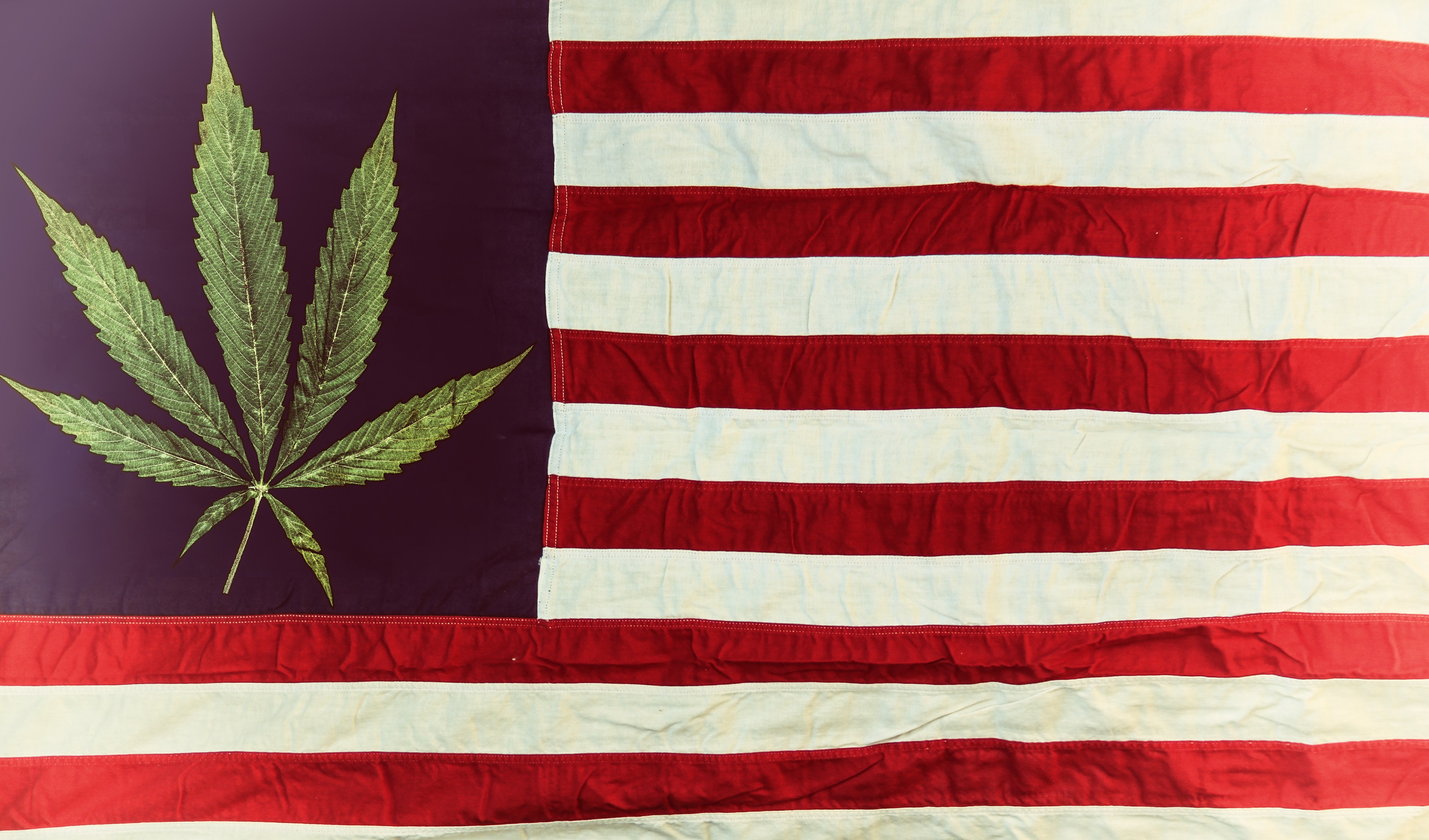
Research becomes dramatically easier. One of Schedule I's most damaging effects has been its chilling impact on cannabis science. Researchers studying cannabis have faced extensive regulatory hurdles just to access the plant for study. Moving to Schedule III removes many of those barriers — which means more rigorous clinical trials, better evidence on therapeutic applications, and eventually clearer guidance for consumers on what cannabis does and doesn't do.
Tax relief for cannabis businesses. A provision of the tax code called 280E currently prevents cannabis companies from deducting normal business expenses like payroll, rent, and utilities, because they operate with a Schedule I substance. Rescheduling could remove that restriction, significantly improving the economics of cannabis businesses. More financially stable dispensaries generally means better-stocked shelves, better-compensated staff, and more investment in the consumer experience.
A federal acknowledgment of medical legitimacy. For the millions of people who use cannabis medicinally, rescheduling is a long-overdue acknowledgment that the plant has therapeutic value. That matters for conversations with healthcare providers, for future insurance access discussions, and for the broader normalization of cannabis as a wellness option.
This is the part that matters most to understand: rescheduling is not legalization.
Cannabis will remain a controlled substance. Possession, sale, and use will still be regulated both federally and by individual states. Adults in states without legal cannabis programs won't suddenly be able to purchase or use cannabis legally. The patchwork of state laws stays in place.
What rescheduling does not do: eliminate state-by-state variation, create a federal retail market, automatically resolve cannabis banking challenges, or address the criminal justice legacy of prohibition. Those are separate fights, and they continue.
If you're in a legal state: Your dispensary experience will stay largely the same in the short term. Over time, better research should mean better products and more informed staff guidance. And dispensaries operating with healthier margins may be able to invest more in their communities and consumer experience.
If you're in a state without legal cannabis: Nothing changes immediately at the purchase level. But the federal shift adds real pressure on remaining prohibition states.
If you use cannabis for health or wellness reasons: The federal acknowledgment of medical legitimacy is meaningful. It opens doors for research, normalizes conversations with healthcare providers, and sets a foundation for eventual insurance coverage discussions — even if those outcomes are still years away.