December 29, 2025
December 29, 2025
December 29, 2025
Intro to landrace strains: The pillars of modern cannabis
Intro to landrace strains: The pillars of modern cannabis
Intro to landrace strains: The pillars of modern cannabis
Est. reading time: 4 min
Est. reading time: 4 min
Est. reading time: 4 min
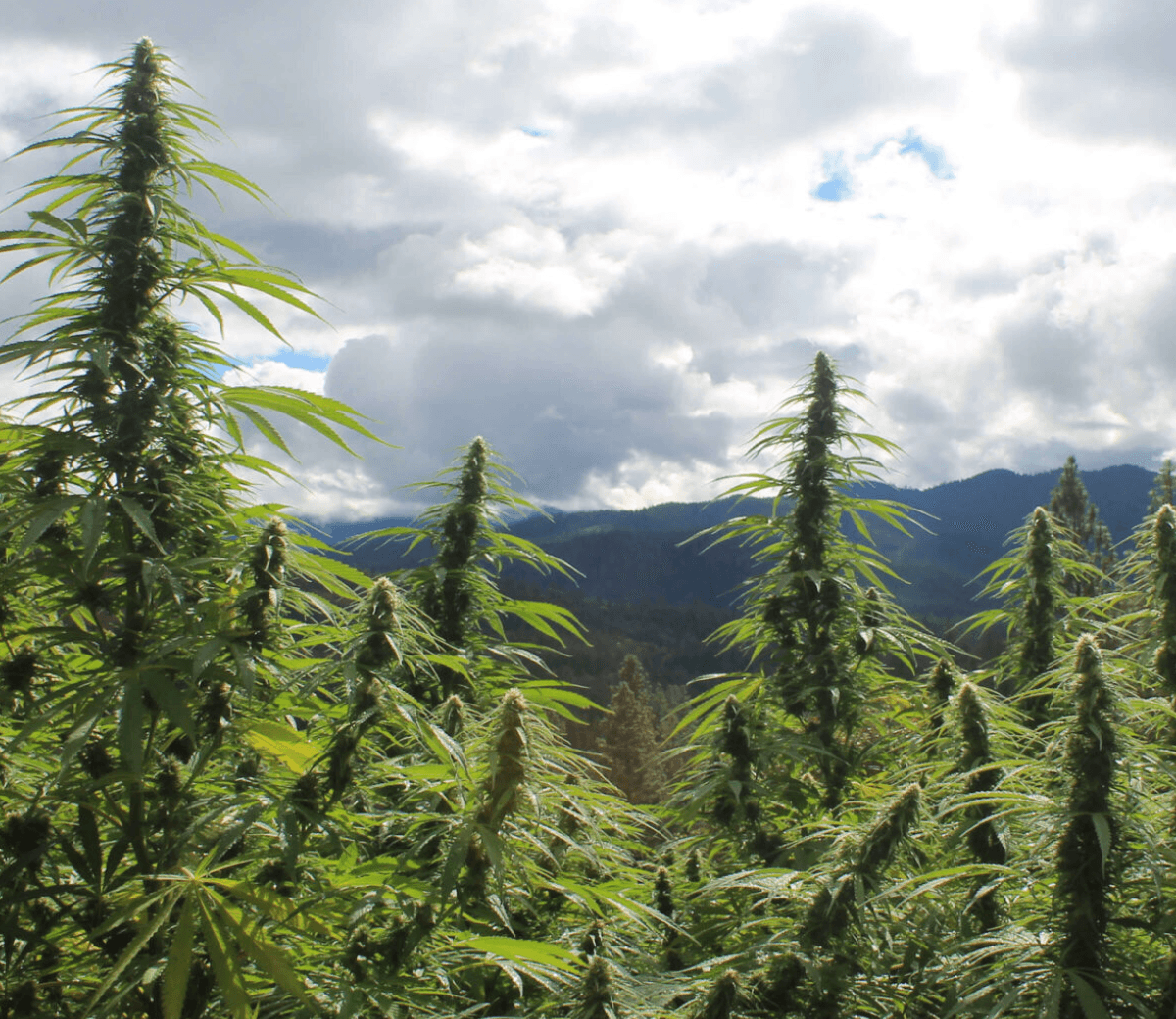
Before OG Kush, Jet Fuel Gelato, or Pineapple Trainwreck filled dispensary menus, cannabis grew wild and adapted to its local climate for thousands of years. These indigenous varieties, shaped by geography rather than human breeding, are called landrace strains. They hold unique flavor profiles, sturdy genetics, and cultural histories that laid the groundwork for today’s extensive variety of cultivars. Below we explore four of the most influential landraces: where they come from, how they taste, and why they matter.
Before OG Kush, Jet Fuel Gelato, or Pineapple Trainwreck filled dispensary menus, cannabis grew wild and adapted to its local climate for thousands of years. These indigenous varieties, shaped by geography rather than human breeding, are called landrace strains. They hold unique flavor profiles, sturdy genetics, and cultural histories that laid the groundwork for today’s extensive variety of cultivars. Below we explore four of the most influential landraces: where they come from, how they taste, and why they matter.
In this article:
In this article:
What makes a strain landrace?
What makes a strain landrace?
A landrace plant grows in one region long enough to develop its own stable genetics. High mountain winds might create short, stout indicas while humid tropics encourage tall, airy sativas. Because landraces evolve without cross-pollination from distant gene pools, they carry traits modern breeders prize: mold resistance, distinct terpene combos, and consistent growth habits. Think of them as the heirloom tomatoes of cannabis: pure, flavorful, and rooted in rich history.
A landrace plant grows in one region long enough to develop its own stable genetics. High mountain winds might create short, stout indicas while humid tropics encourage tall, airy sativas. Because landraces evolve without cross-pollination from distant gene pools, they carry traits modern breeders prize: mold resistance, distinct terpene combos, and consistent growth habits. Think of them as the heirloom tomatoes of cannabis: pure, flavorful, and rooted in rich history.
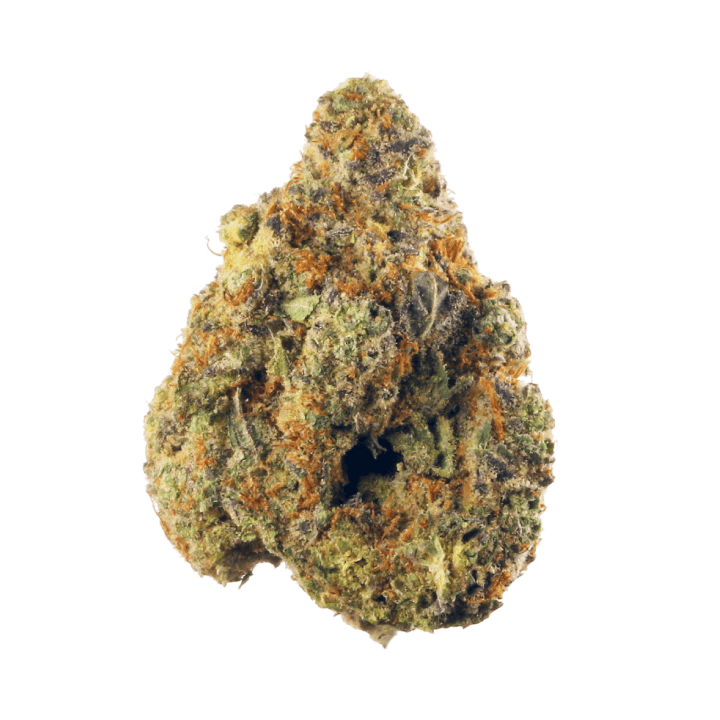
1. Hindu Kush (Afghanistan/Pakistan)
1. Hindu Kush (Afghanistan/Pakistan)
Origin & history:
Named for the rugged mountain range straddling Afghanistan and Pakistan, Hindu Kush is a pure indica that farmers have cultivated for centuries to make hand-pressed hashish called charas. Travelers on the 1960s “Hippie Trail” smuggled seeds west, sparking the first wave of indica breeding in the United States.
Origin & history:
Named for the rugged mountain range straddling Afghanistan and Pakistan, Hindu Kush is a pure indica that farmers have cultivated for centuries to make hand-pressed hashish called charas. Travelers on the 1960s “Hippie Trail” smuggled seeds west, sparking the first wave of indica breeding in the United States.
Flavor & effects:
Expect earthy pine, sweet spice, and a heavy, body-hugging calm ideal for evening use.
Flavor & effects:
Expect earthy pine, sweet spice, and a heavy, body-hugging calm ideal for evening use.
Modern legacy:
Hindu Kush genetics anchor legendary hybrids like OG Kush and Bubba Kush, prized for their dense buds and pain-relief power.
Modern legacy:
Hindu Kush genetics anchor legendary hybrids like OG Kush and Bubba Kush, prized for their dense buds and pain-relief power.
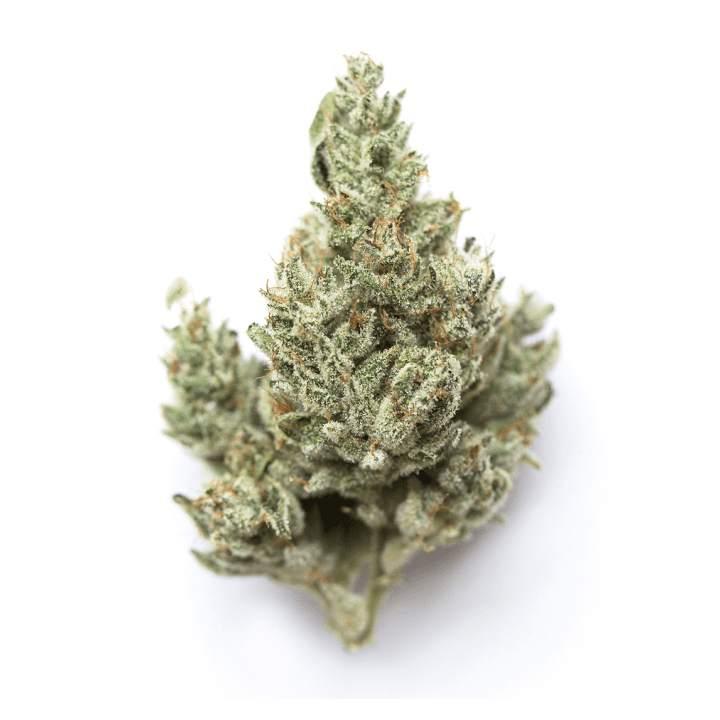
Thai (Thailand)
Origin & history:
Brought over to the U.S. from Vietnam War veterans returning home in the 1960s, Thai landrace was popularized as “Thai Sticks” for the bundles of buds tied to bamboo skewers. This equatorial sativa thrived in Thailand’s tropical humidity; tales of mile-long jungle gardens and citrus-perfumed smoke made Thai a symbol of counterculture adventure.
Origin & history:
Brought over to the U.S. from Vietnam War veterans returning home in the 1960s, Thai landrace was popularized as “Thai Sticks” for the bundles of buds tied to bamboo skewers. This equatorial sativa thrived in Thailand’s tropical humidity; tales of mile-long jungle gardens and citrus-perfumed smoke made Thai a symbol of counterculture adventure.
Flavor & effects:
Bright lemongrass, floral notes, and a soaring cerebral high that can last for hours.
Flavor & effects:
Bright lemongrass, floral notes, and a soaring cerebral high that can last for hours.
Modern legacy:
Thai’s tall structure and long flowering time challenged early breeders, yet its energetic buzz and distinctly delicious terpene profile gave rise to well-loved staples like Haze and Blueberry.
Modern legacy:
Thai’s tall structure and long flowering time challenged early breeders, yet its energetic buzz and distinctly delicious terpene profile gave rise to well-loved staples like Haze and Blueberry.
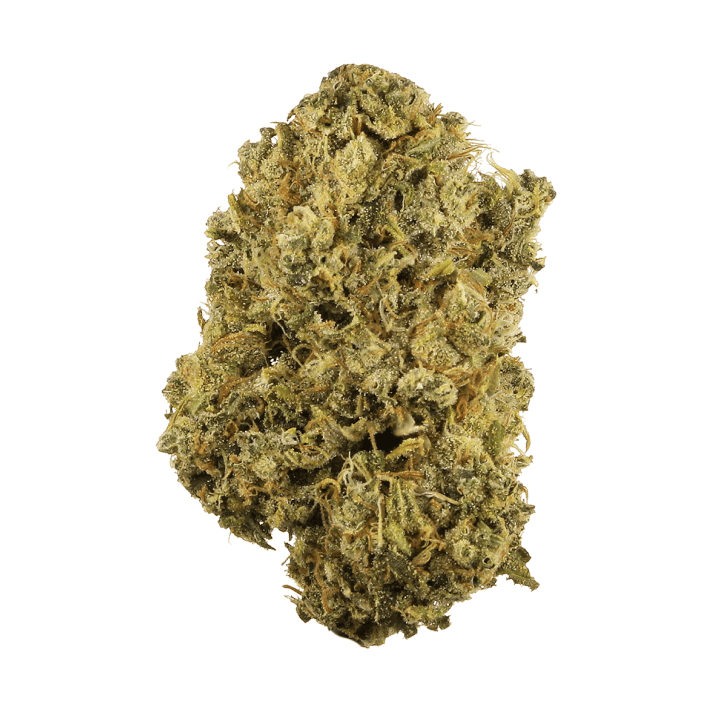
3. Durban Poison (South Africa)
3. Durban Poison (South Africa)
Origin & history:
This hardy sativa grows around Durban, a port city on South Africa’s sunny east coast. American breeder Ed Rosenthal collected seeds in the late 1970s, stabilizing the line that would become “Durban Poison” on Dutch seed menus.
Origin & history:
This hardy sativa grows around Durban, a port city on South Africa’s sunny east coast. American breeder Ed Rosenthal collected seeds in the late 1970s, stabilizing the line that would become “Durban Poison” on Dutch seed menus.
Flavor & effects:
Sweet anise, licorice, and citrus peel meet an energetic, clear-headed high cherished by daytime consumers.
Flavor & effects:
Sweet anise, licorice, and citrus peel meet an energetic, clear-headed high cherished by daytime consumers.
Modern legacy:
Durban genetics infuse top sellers like Girl Scout Cookies, where they add uplifting sparkle to heavy indica parents.
Modern legacy:
Durban genetics infuse top sellers like Girl Scout Cookies, where they add uplifting sparkle to heavy indica parents.
4. Malawi Gold (Malawi, Southeast Africa)
4. Malawi Gold (Malawi, Southeast Africa)
Origin & history:
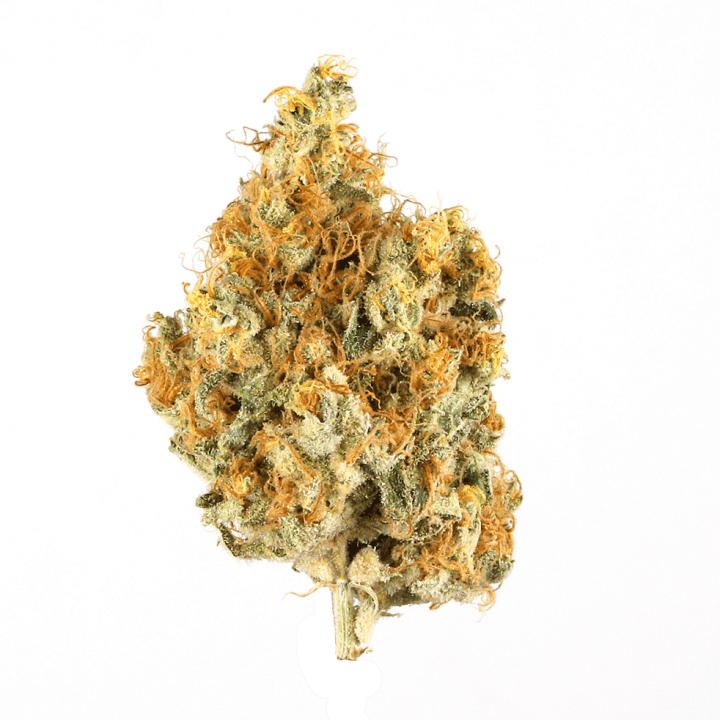
Grown in the highlands along Lake Malawi and initially smuggled into the U.S. in the 1970s (making it a sought-after, elusive legend), this sun-drenched sativa earned fame among backpackers for its golden pistils and potent, long-lasting euphoria. Cultivation methods often include slow curing in woven banana leaves to deepen flavor.
Origin & history:
Grown in the highlands along Lake Malawi and initially smuggled into the U.S. in the 1970s (making it a sought-after, elusive legend), this sun-drenched sativa earned fame among backpackers for its golden pistils and potent, long-lasting euphoria. Cultivation methods often include slow curing in woven banana leaves to deepen flavor.
Flavor & effects:
Spicy mango, incense, and an almost electric cerebral buzz that can stretch well past sunset.
Flavor & effects:
Spicy mango, incense, and an almost electric cerebral buzz that can stretch well past sunset.
Modern legacy:
Although less common in North American dispensaries, Malawi genetics appear in boutique sativa hybrids aimed at creative focus and mood elevation.
Modern legacy:
Although less common in North American dispensaries, Malawi genetics appear in boutique sativa hybrids aimed at creative focus and mood elevation.
Finding and enjoying landrace flower
Finding and enjoying landrace flower
True landrace buds can be rare outside their homeland. When you see “Hindu Kush” or “Thai” on a menu, check the lab notes: growers often list “100% indica landrace” or “pure Thai sativa.” Vaporizing at lower temperatures (around 350°F) preserves delicate terpenes, allowing you a taste of the region’s soil, sun, and air captured in each puff.
True landrace buds can be rare outside their homeland. When you see “Hindu Kush” or “Thai” on a menu, check the lab notes: growers often list “100% indica landrace” or “pure Thai sativa.” Vaporizing at lower temperatures (around 350°F) preserves delicate terpenes, allowing you a taste of the region’s soil, sun, and air captured in each puff.
Takeaways
Takeaways
Landrace strains are the original, un-crossed cannabis varieties, shaped by local climate and culture.
Landrace strains are the original, un-crossed cannabis varieties, shaped by local climate and culture.
Genetic diversity: Modern breeding can narrow DNA pools. Landraces offer fresh traits for pest resistance and foundational terpene blends.
Cultural preservation: From Afghan hash rituals to Thai Stick craftsmanship, these strains hold living histories of the regions that nurtured them.
Flavor exploration: Whole-plant terpene profiles in landraces give nuanced tastes that many flavored distillates try to copy but rarely match.
Exploring landraces is like opening a time capsule of cannabis culture. One inhale, and you are tasting mountains, jungles, coastlines, and centuries of human-plant partnership (no passport required).
Exploring landraces is like opening a time capsule of cannabis culture. One inhale, and you are tasting mountains, jungles, coastlines, and centuries of human-plant partnership (no passport required).
Was this article helpful to you?
Was this article helpful to you?
Explore more



Explore more
Explore more