/
/
Cannabis & the 1960s music scene: How a plant scored the soundtrack of a revolution 🎸🌿
January 30, 2026
January 30, 2026
January 30, 2026
Cannabis & the 1960s music scene: How a plant scored the soundtrack of a revolution 🎸🌿
Cannabis & the 1960s music scene: How a plant scored the soundtrack of a revolution 🎸🌿
Cannabis & the 1960s music scene: How a plant scored the soundtrack of a revolution 🎸🌿
Est. reading time: 3-4 min
Est. reading time: 3-4 min
Est. reading time: 3-4 min
Fender amps hummed, lava-lamp lights pulsed, and a sweet, earthy scent drifted through every garage rehearsal. The 1960s marked a cultural pivot where cannabis moved from jazz backrooms into the public roar of rock festivals, forever weaving itself into popular music. Below, we follow a few milestone moments and the artists who passed joints and pushed boundaries, changing the sound of a decade and the laws that tried to silence it.
Fender amps hummed, lava-lamp lights pulsed, and a sweet, earthy scent drifted through every garage rehearsal. The 1960s marked a cultural pivot where cannabis moved from jazz backrooms into the public roar of rock festivals, forever weaving itself into popular music. Below, we follow a few milestone moments and the artists who passed joints and pushed boundaries, changing the sound of a decade and the laws that tried to silence it.
In this article:
In this article:
Bob Dylan, The Beatles, and one historic hotel room
Bob Dylan, The Beatles, and one historic hotel room
On August 28, 1964, folk singer Bob Dylan met The Beatles at New York’s Delmonico Hotel and introduced them to cannabis for the first time. John, Paul, George, and Ringo reportedly spent the night laughing, munching room-service snacks, and jotting half-baked lyric ideas. The event “changed the future of rock ’n’ roll,” according to chroniclers of the meeting.
On August 28, 1964, folk singer Bob Dylan met The Beatles at New York’s Delmonico Hotel and introduced them to cannabis for the first time. John, Paul, George, and Ringo reportedly spent the night laughing, munching room-service snacks, and jotting half-baked lyric ideas. The event “changed the future of rock ’n’ roll,” according to chroniclers of the meeting.
Within months, Beatles songs shifted from innocent pop to introspection. Paul McCartney later admitted that “Got to Get You into My Life,” released in 1966, was “an ode to pot,” not romantic love. Rubber Soul and Revolver layered sitars, tape loops, and dreamy harmonies, weaving sonic textures mirroring cannabis-enhanced studio sessions.
Within months, Beatles songs shifted from innocent pop to introspection. Paul McCartney later admitted that “Got to Get You into My Life,” released in 1966, was “an ode to pot,” not romantic love. Rubber Soul and Revolver layered sitars, tape loops, and dreamy harmonies, weaving sonic textures mirroring cannabis-enhanced studio sessions.
The Haight-Ashbury soundtrack: Grateful Dead & friends
The Haight-Ashbury soundtrack: Grateful Dead & friends
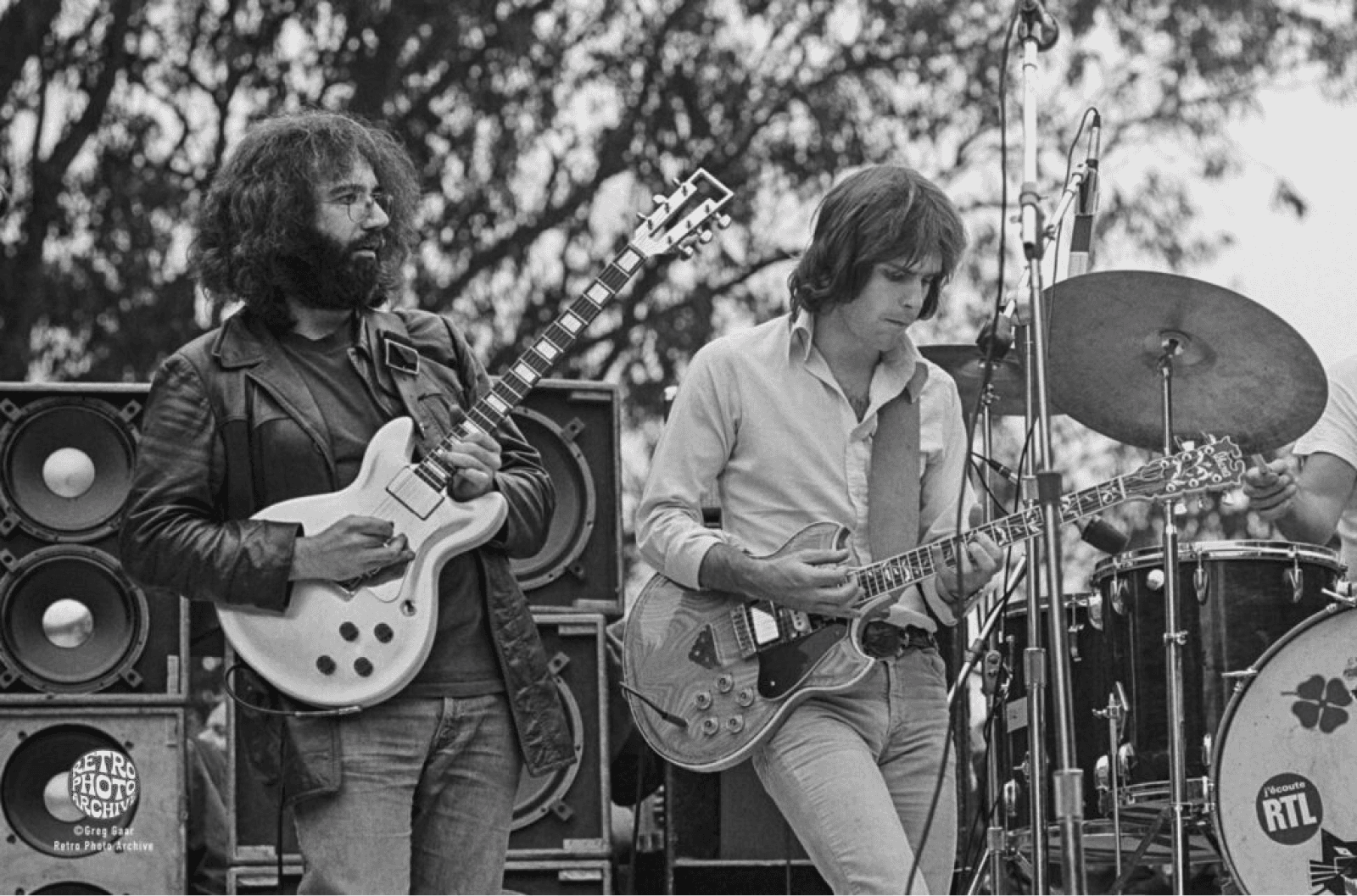
A continent away, San Francisco’s Haight-Ashbury neighborhood became ground zero for psychedelic rock. Bands like Jefferson Airplane and The Grateful Dead played marathon shows where fog machines mixed with cannabis smoke. The Dead’s freeform jams, often topping 30 minutes, invited fans to “turn on, tune in, drop out,” a phrase popularized by Timothy Leary during Ken Kesey’s Acid Tests but equally apt for expansive THC-colored improvisations. Historians credit the band with cementing cannabis as a symbol of community rather than rebellion.
A continent away, San Francisco’s Haight-Ashbury neighborhood became ground zero for psychedelic rock. Bands like Jefferson Airplane and The Grateful Dead played marathon shows where fog machines mixed with cannabis smoke. The Dead’s freeform jams, often topping 30 minutes, invited fans to “turn on, tune in, drop out,” a phrase popularized by Timothy Leary during Ken Kesey’s Acid Tests but equally apt for expansive THC-colored improvisations. Historians credit the band with cementing cannabis as a symbol of community rather than rebellion.
Thai imports spark new sounds
Thai imports spark new sounds
American GIs stationed in Southeast Asia brought home Thai Stick—potent landrace flowers tied to bamboo skewers. Musicians prized its citrus aroma and soaring high, which contrasted the earthy Mexican brick weed common at the time. The energizing uplift of Thai sativa influenced extended studio jams and more complex chord progressions in bands ranging from The Byrds to Santana.
American GIs stationed in Southeast Asia brought home Thai Stick—potent landrace flowers tied to bamboo skewers. Musicians prized its citrus aroma and soaring high, which contrasted the earthy Mexican brick weed common at the time. The energizing uplift of Thai sativa influenced extended studio jams and more complex chord progressions in bands ranging from The Byrds to Santana.
Woodstock 1969: Half a million hits
Woodstock 1969: Half a million hits
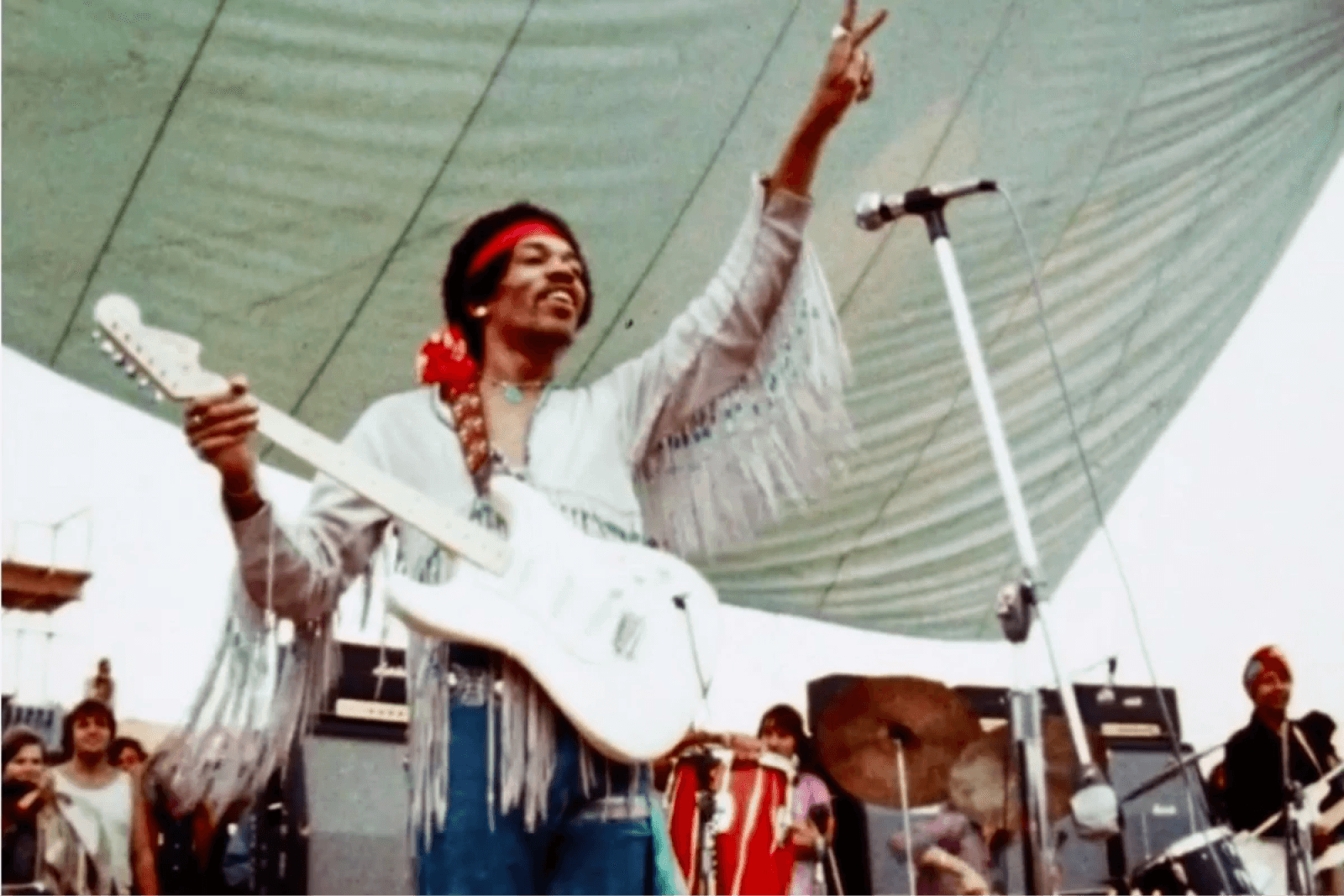
When half a million people descended on Max Yasgur’s farm that August, promoters expected music; they got a pop-up city powered by peace, mud, and cannabis. Cannabis was openly shared among strangers, reinforcing the festival’s ethos of communal care. Writers later noted that “sex, drugs, and rock ’n’ roll” was less about excess than about rejecting the strict rules of the 1950s. Performers such as Jimi Hendrix and Janis Joplin delivered iconic sets that many attendees claimed felt “bigger than the notes,” a nod to the collective altered state. Even with poor sound systems that left distant campers unable to hear the stage, cannabis helped turn logistical chaos into legend.
When half a million people descended on Max Yasgur’s farm that August, promoters expected music; they got a pop-up city powered by peace, mud, and cannabis. Cannabis was openly shared among strangers, reinforcing the festival’s ethos of communal care. Writers later noted that “sex, drugs, and rock ’n’ roll” was less about excess than about rejecting the strict rules of the 1950s. Performers such as Jimi Hendrix and Janis Joplin delivered iconic sets that many attendees claimed felt “bigger than the notes,” a nod to the collective altered state. Even with poor sound systems that left distant campers unable to hear the stage, cannabis helped turn logistical chaos into legend.
Takeaways
Takeaways
Bob Dylan’s 1964 smoke-out with The Beatles kicked open rock’s creative doors.
The Haight-Ashbury scene, led by the Grateful Dead, framed cannabis as communal, not criminal.Imported landrace sativas like Thai Stick fueled longer, more intricate jam sessions.
Woodstock cemented cannabis as a unifying symbol of counterculture.
The plant’s ability to heighten sound, mood, and social connection made it the unofficial co-producer of 1960s music and its influence still echoes in every riff today.
Artists reported hearing subtler overtones, experimenting with studio effects, and writing lyrics that stretched past teen romance into cosmic queries — “Lucy in the Sky with Diamonds,” “Dark Star,” and “Light My Fire” among them.
Roll the record, light some incense, and remember: much of the soundtrack that changed the world began with a simple spark.
Roll the record, light some incense, and remember: much of the soundtrack that changed the world began with a simple spark.
Was this article helpful to you?
Was this article helpful to you?
Explore more


Explore more
Explore more